


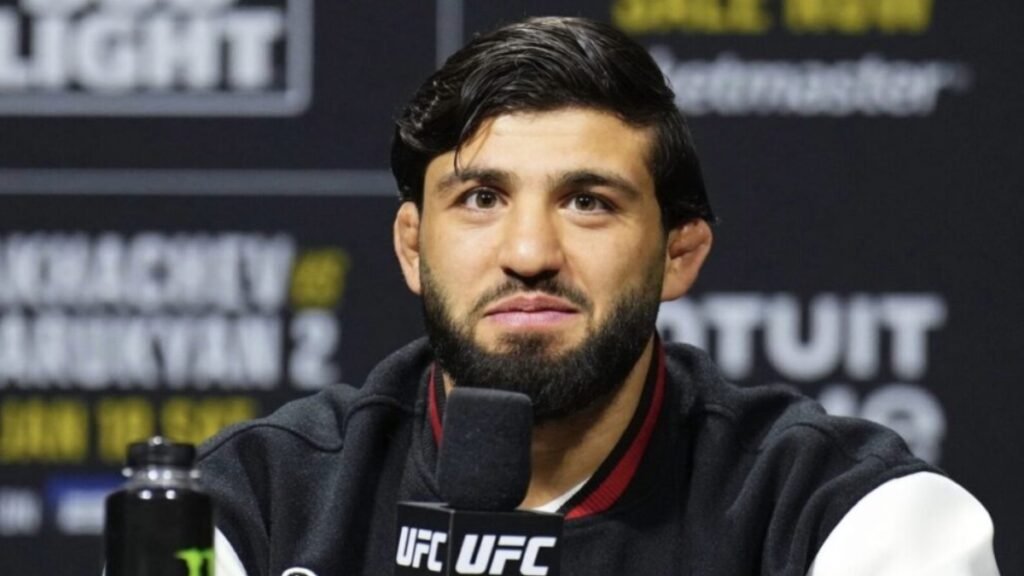
In the UFC, a fighter’s value is measured by far more than what happens inside the Octagon. It is also defined by the choices made when circumstances suddenly change. Some decisions may appear to be simple fight acceptances on the surface, yet beneath them lies a carefully crafted message directed at the promotion, potential opponents, and the wider MMA world. That is precisely what former UFC champion and analyst Daniel Cormier believes Arman Tsarukyan has accomplished by agreeing to face Mauricio Ruffy at UFC 331.
The original script looked entirely different. Tsarukyan was expected to meet Charles Oliveira in a highly anticipated rematch, a contest whose significance extended well beyond rankings. It was a clash between two elite lightweight contenders that had the potential to redefine the championship landscape. Oliveira’s withdrawal, however, forced the UFC to rewrite its plans, paving the way for the rising Mauricio Ruffy to step into the spotlight.
At first glance, the change appeared to diminish the event’s commercial appeal. While Ruffy is regarded as one of the division’s most promising prospects, he has yet to build the international profile or legacy that Oliveira brings to every fight. A deeper reading, however, reveals a different reality. From a competitive standpoint, the risk actually increased. Victory would generate fewer headlines than defeating a former champion, yet defeat could erase years of work invested in reclaiming a position among the division’s leading title contenders.
This is where Daniel Cormier believes the real story begins. In his view, Tsarukyan is no longer selecting opponents based on prestige or promotional value. By accepting a dangerous fight that offers relatively little public recognition, he is delivering a clear message: he is willing to fight anyone, at any time, under any circumstances.
That message may ultimately carry greater weight inside UFC headquarters than the fight itself. The organization has long rewarded athletes who remain available when schedules change, rescue major fight cards on short notice, and accept difficult assignments without becoming entangled in complicated negotiations over risk and reward. In an industry built on reliability as much as talent, that reputation often becomes a competitive advantage of its own.
Cormier’s assessment reflects precisely that philosophy. He argues that Tsarukyan’s willingness to accept this matchup strengthens his case for another title opportunity more than any previous accomplishment. His praise is directed not only at the Armenian’s technical abilities but also at the professional image he is rebuilding within the promotion. Fighters who consistently say “yes” become trusted partners, and trust is one of the UFC’s most valuable currencies when championship opportunities are on the line.
This evolution cannot be understood without revisiting the episode that significantly weakened Tsarukyan’s standing. His last-minute withdrawal from his scheduled lightweight title fight against Islam Makhachev, regardless of the medical reasons behind it, inevitably raised questions about reliability at the highest level. Since that moment, Tsarukyan has appeared to be fighting two battles simultaneously: continuing to win inside the cage while restoring the confidence of those responsible for shaping the division’s future.
Viewed through that lens, the bout with Mauricio Ruffy becomes far more than another appearance on the schedule. It represents a test of credibility. A victory would not simply add another win to his résumé; it would demonstrate that he has chosen to answer lingering doubts through action rather than public complaints or demands for preferential treatment.
Should Tsarukyan overcome this challenge, his path back to a title shot will gain renewed momentum. Not merely because he defeated another dangerous opponent, but because he will have reinforced the image of a fighter the UFC can rely upon when unpredictability reshapes its biggest events.
Ultimately, Daniel Cormier may not be discussing a single fight at all. Instead, he appears to be highlighting a broader transformation in Tsarukyan’s professional mindset. In the UFC, the road to championship gold is not always built through the biggest names or the most glamorous matchups. It is often paved through consistency, dependability, and a willingness to embrace uncertainty without hesitation. What initially looked like a simple replacement bout at UFC 331 may ultimately be remembered as the decision that placed Arman Tsarukyan firmly back in the championship conversation. Because at the highest level of mixed martial arts, titles are earned not only through skill and victory, but also through the choices fighters make when the game suddenly changes.