


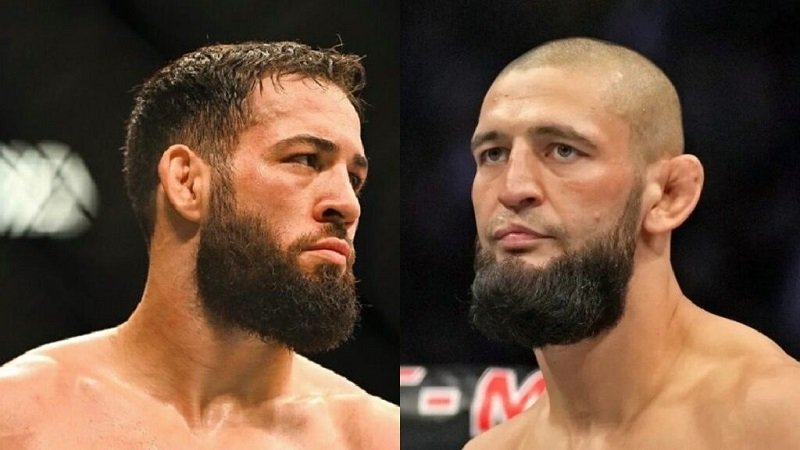
Behind the scenes of the middleweight division in the UFC, major fights are shaped as much in executive offices as they are inside the Octagon. Strategy, timing, rankings, and injuries all intersect. In that context, Nassourdine Imavov revealed a crucial detail: a bout against Khamzat Chimaev had been scheduled twice before being canceled due to the champion’s injury.
According to Imavov, the organization initially targeted December, then revisited the matchup for February. No final contract was signed, but discussions with chief matchmaker Mick Maynard confirm that the fight was more than speculative talk — it was an active plan halted by circumstance.
The fact that two separate windows were explored speaks volumes. Within the UFC’s matchmaking structure, a fight is not reconsidered twice unless it is viewed as strategically meaningful. This reinforces Imavov’s status as a legitimate contender. From a sporting perspective, the pairing made sense: a technically evolving striker with tactical maturity against one of the division’s most physically imposing and aggressive champions.
However, divisions evolve quickly. Chimaev’s injury created a temporary vacuum — and in MMA, momentum is everything. During that gap, fighters like Sean Strickland have reasserted themselves with strong performances, potentially reshuffling the title picture. In the modern fight economy, narrative and timing can be as decisive as rankings.
Ultimately, the fight was not dismissed — it was postponed. And in the UFC ecosystem, that distinction is critical. If Chimaev returns soon, the matchup could immediately regain priority status. If not, Imavov may need another defining performance to secure his place at the forefront of the middleweight title race.