April 1st in the MMA world is no longer a harmless moment of humor. It has evolved into a revealing lens through which we can observe the shifting dynamics between fighters, audiences, and the digital media ecosystem. What unfolded this year went far beyond “April Fool’s Day” — it became a collective experiment exposing the fragility of information and the speed at which fiction can outpace truth in the platform era.
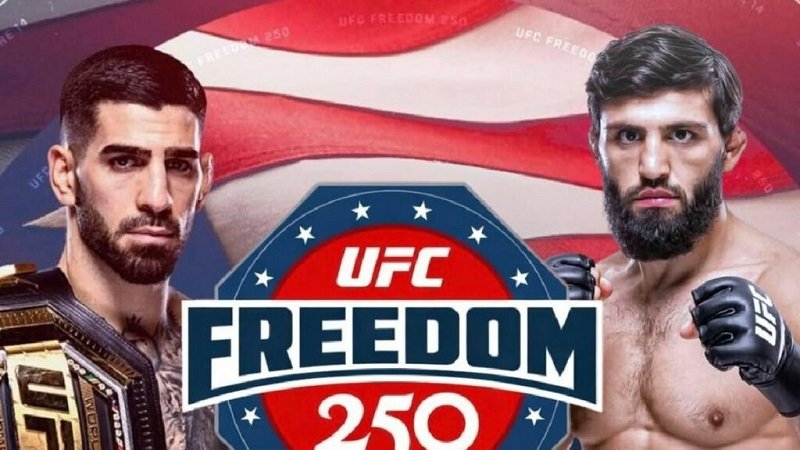
At the center of this digital turbulence stood Arman Tsarukyan, who crafted a masterclass in believable deception. His fictional fight announcement against Ilia Topuria was not random, but strategically built on credible elements: the supposed injury of Justin Gaethje and an authentic competitive context within the lightweight division. In this sense, the lie transforms into an “alternative narrative” that feeds directly on audience expectations.
Similarly, Sean O’Malley exploited the media sensitivity surrounding interim titles by staging a fictional bout with Aiemann Zahabi, reinforced by a satirical twist involving Petr Yan. This form of “strategic irony” highlights a sophisticated understanding of algorithmic behavior: the more shocking yet plausible the claim, the greater its viral potential.
The phenomenon becomes even more revealing when fiction extends beyond fight announcements. The early retirement claim by Nathaniel Wood functioned as a dramatic simulation of a real career trajectory, blurring the line between authenticity and fabrication in the public’s perception. Meanwhile, Stephen Thompson pushed the boundary further by invoking one of the sport’s most sensitive themes — doping — turning shock value into a tool of engagement.
What emerges from this landscape is a deeper transformation: fighters are no longer مجرد competitors; they are fully-fledged media actors. They curate their narratives, control attention cycles, and actively test their audiences. In an era where traditional media no longer monopolizes information, each fighter becomes a “mobile newsroom”.
This raises a critical question: is this merely an annual ritual… or a sophisticated exercise in reshaping trust between audiences and content creators?
Ultimately, April Fool’s Day within the Ultimate Fighting Championship is no longer trivial. It stands as a reflection of a new media order — one where truth is not simply challenged… but competed against.