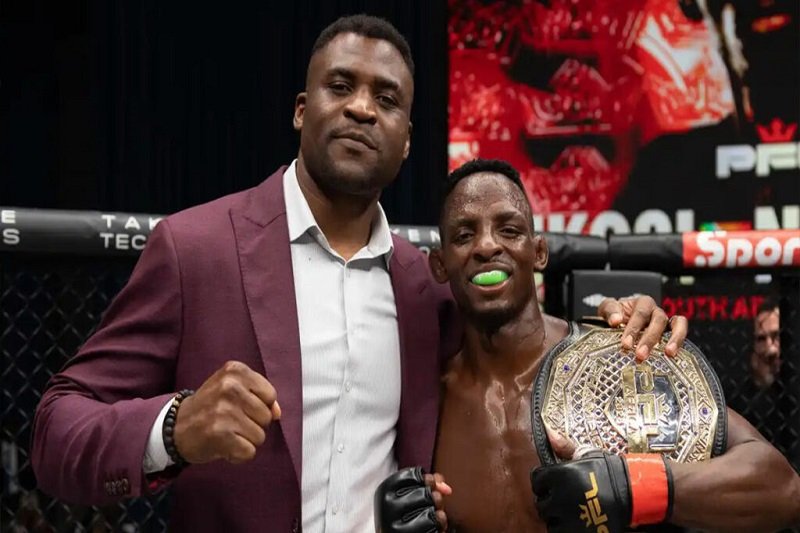
The conclusion of the inaugural PFL Africa season in Cotonou was not just another MMA event. It was a continental statement — athletic, economic, and political.
Four tournament finals.
Four champions.
Four victories by stoppage.
This was not coincidence. It was a clear demonstration that African MMA is not emerging — it has arrived.
From Nkosi Ndebele’s brutal body-kick finish to Abraham Bably’s 21-second knockout, the event reflected a fighting culture built on decisiveness, resilience, and raw competitiveness. With Francis Ngannou overseeing the event as PFL Africa president, the message was unmistakable: Africa no longer waits for validation.
Morocco’s uncomfortable question
And yet, amid this continental momentum, one question echoes loudly:
Where does Morocco stand?
Despite its deep reservoir of combat sports talent — in kickboxing, jiu-jitsu, and Muay Thai — Morocco remains largely absent from the African MMA revolution. The reason is not a lack of fighters, coaches, or expertise. It is a strategic failure.
Moroccan sports policy continues to orbit almost exclusively around football, treating other disciplines as secondary, symbolic, or recreational. MMA, globally recognized as a major professional sport and economic engine, is still viewed with hesitation rather than vision.
PFL Africa is not just a league — it’s a warning
What unfolded in Cotonou was a warning shot.
African nations are building platforms, creating pathways, and exporting fighters to the global stage. Those who fail to adapt will not be left behind gradually — they will be bypassed entirely.
4⃣New @PFLAfrica Champions were crowned in PFL Benin 🔥#PFLBenin | Full Fight Highlights pic.twitter.com/6I9CKJJbNV
— PFL (@PFLMMA) December 20, 2025
Francis Ngannou’s journey embodies this shift. He did not rise because the system supported him. He rose in spite of its absence, and then returned to build one for others.
Morocco now faces a strategic crossroads:
Will it embrace Africa’s combat sports transformation,
or remain trapped in a football-only narrative while history moves on?