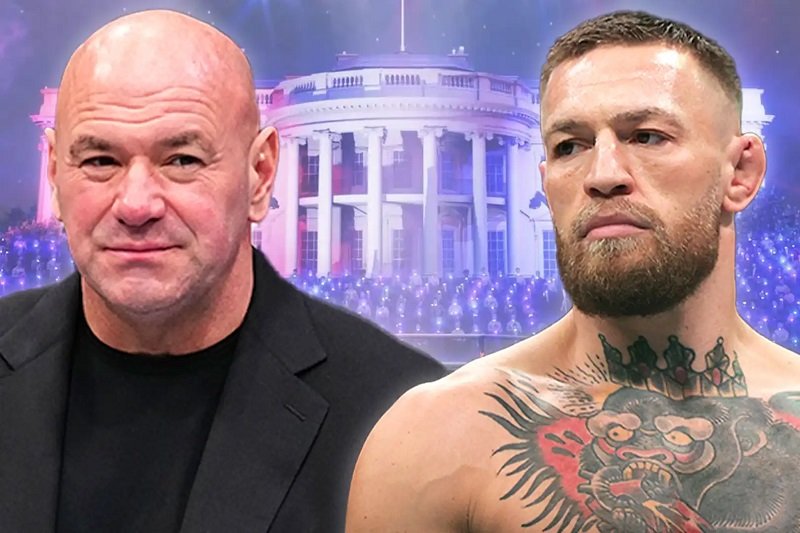
When Dana White announced the idea of hosting a UFC event at the White House, the proposal immediately transcended the boundaries of sport. More than a fight card, the concept positions itself at the intersection of athletic performance, spectacle, and political symbolism. Yet within the UFC itself, the initiative is far from universally embraced. Former welterweight champion Kamaru Usman has openly expressed skepticism, highlighting the uncertainties surrounding a project still lacking clear definition.
With roughly five months remaining before the proposed date, key aspects of the event remain unclear: the final format, audience access, fighter selection, and, most importantly, the purpose behind staging such an event in a highly symbolic political setting. Against this backdrop, Usman—coming off a decision victory over Joaquin Buckley—has chosen to distance himself from the idea of competing on that card.
Speaking on his podcast alongside Henry Cejudo, “The Nigerian Nightmare” appeared visibly frustrated by the constant media buzz surrounding the White House event. The more he reflects on it, he argues, the more excessive the concept seems. His underlying question is fundamental: does this project genuinely serve the sport, or does it represent a form of overstatement where symbolism risks overshadowing athletic meaning?
This skepticism translates into a clear personal stance. Should he attend such an event, Usman says it would be as a spectator, not as a fighter. The distinction is telling, revealing a firm belief in preserving the athlete’s role and resisting the blurring of lines between sporting competition and institutional showcase.
Usman also raises two critical concerns: the rumored lack of public attendance and the proposed structure of the card. An event closed to fans, despite its iconic location, introduces what he views as a credibility gap. Meanwhile, talk of six or seven five-round title fights suggests a format that could easily become exhausting or monotonous for viewers. His concern is less about logistics and more about experience: what happens if several of those championship bouts fail to deliver excitement?
The irony is notable. With no official next opponent announced, Usman could have been a prime candidate for such a high-profile card, particularly in a potential matchup against Islam Makhachev—a fight Daniel Cormier has described as especially dangerous for the Dagestani champion. Yet Usman’s reluctance has little to do with the opponent and everything to do with the framework itself.
Beyond his individual case, Usman’s remarks echo a broader conversation within modern MMA. How far can the sport be pushed toward symbolic spectacle without compromising its core values? As the UFC seeks to create a historic moment, voices like Usman’s remind observers that prestige alone does not define greatness. Ultimately, the question remains whether an iconic venue can elevate an event on its own, or whether true significance still depends on balance, authenticity, and the fundamental relationship between fighters, fans, and the sport.