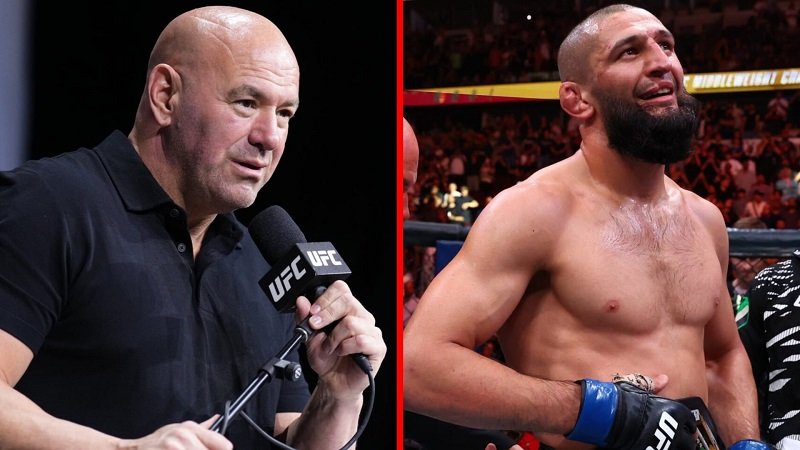
Inside the Ultimate Fighting Championship, championships are not built on hype alone — they are structured through hierarchy and strategic control. That was the underlying message from Dana White to Khamzat Chimaev: defend your belt before chasing another one.
Crowned undisputed middleweight champion after defeating Dricus Du Plessis at UFC 319, Chimaev has made no secret of his ambition to become a two-division champion. Reports suggested a possible move to light heavyweight to fight Jiri Prochazka for a vacant title at UFC 327 in Miami.
White, however, publicly cooled the idea. From his perspective, legitimacy is forged through title defenses. Allowing a newly crowned champion to immediately change divisions risks destabilizing the 185-pound class — especially with a logical contender like Nassourdine Imavov waiting in line.
The UFC has faced division logjams before when champions moved up without solidifying their reign. White’s stance signals a return to structural discipline: dominance must be proven, not presumed.
Different Standards? The Alex Pereira Variable
Interestingly, White appeared more receptive to a potential heavyweight move for Alex Pereira, even hinting at a blockbuster clash with Ciryl Gane.
The contrast raises questions. Why restrict Chimaev while encouraging Pereira? The answer likely lies in commercial calculus. Pereira has already stacked high-profile wins and demonstrated proven drawing power. Chimaev, though immensely popular, is still in the early phase of establishing championship stability.
Ultimately, this is not just about changing weight classes. It is about the balance between personal ambition and institutional order. Chimaev wants history now. The UFC wants procedure first.