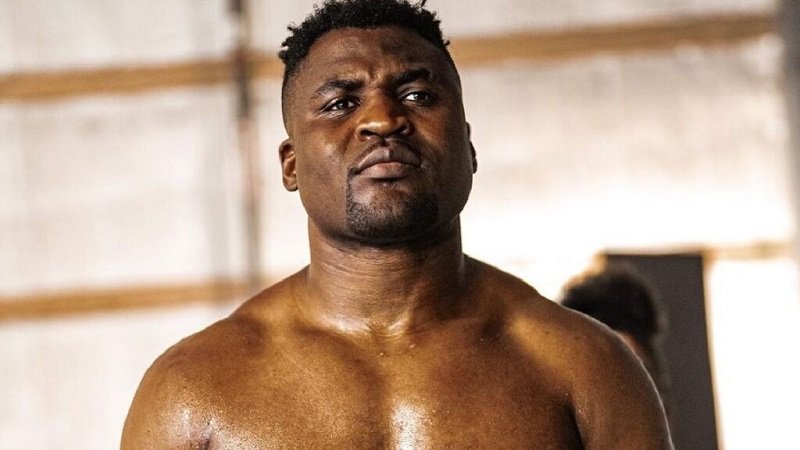
The announced return of Francis Ngannou to mixed martial arts represents far more than a routine comeback. It reflects a broader transformation within the global combat sports landscape, particularly at a time when digital streaming platforms are increasingly reshaping the economics and visibility of major sporting events. The former heavyweight champion of the Ultimate Fighting Championship (UFC) is set to step back into the cage during a historic MMA event that will be broadcast for the first time by the global streaming giant Netflix. Promoted by Most Valuable Promotions, the event will be headlined by a highly symbolic clash between Ronda Rousey and Gina Carano—two pioneers who helped shape the global rise of women’s MMA.
Within this framework, Ngannou’s participation appears to be a calculated and strategic choice. The Cameroonian powerhouse embodies the dramatic narrative that defines modern MMA: a journey from hardship to global superstardom, combined with knockout power that has redefined the standards of the heavyweight division. Since his last MMA appearance in October 2024—when he brutally knocked out Brazilian fighter Renan Ferreira—Ngannou has remained relatively quiet in the MMA scene. Yet, according to the fighter himself, that silence should not be mistaken for absence; rather, it was “the silence of a predator closing in.”
His return also comes at a pivotal moment in his professional trajectory, following the recent termination of his contract with the Professional Fighters League (PFL). This development has sparked broader speculation about shifting power dynamics in the combat sports industry, where global media platforms are beginning to rival traditional fight promotions in shaping the sport’s future.
From a competitive standpoint, Ngannou remains one of the most feared heavyweights of his generation. Ranked among the world’s elite, he currently rides an impressive seven-fight winning streak in MMA competition. His tenure in the UFC left a lasting legacy, with a record of 12 wins and only 2 losses, highlighted by dominant victories over elite opponents such as Stipe Miocic, Ciryl Gane, Cain Velasquez, Alistair Overeem, and Junior dos Santos.
Standing across from him will be Brazilian fighter Philipe Lins, a seasoned competitor who left the UFC in March 2024 riding a four-fight winning streak. The 2018 PFL tournament champion brings experience, durability, and tactical awareness—qualities that could transform this fight into a serious challenge for Ngannou.
Beyond the sporting spectacle, however, this matchup symbolizes a deeper shift within the MMA industry. The entry of global entertainment giants like Netflix into the broadcasting of combat sports signals the emergence of a new economic model—one where the boundaries between sport, entertainment, and media production are increasingly blurred. In that sense, Francis Ngannou’s return may represent more than a fighter’s comeback; it could mark the beginning of a new chapter in the global business of combat sports.